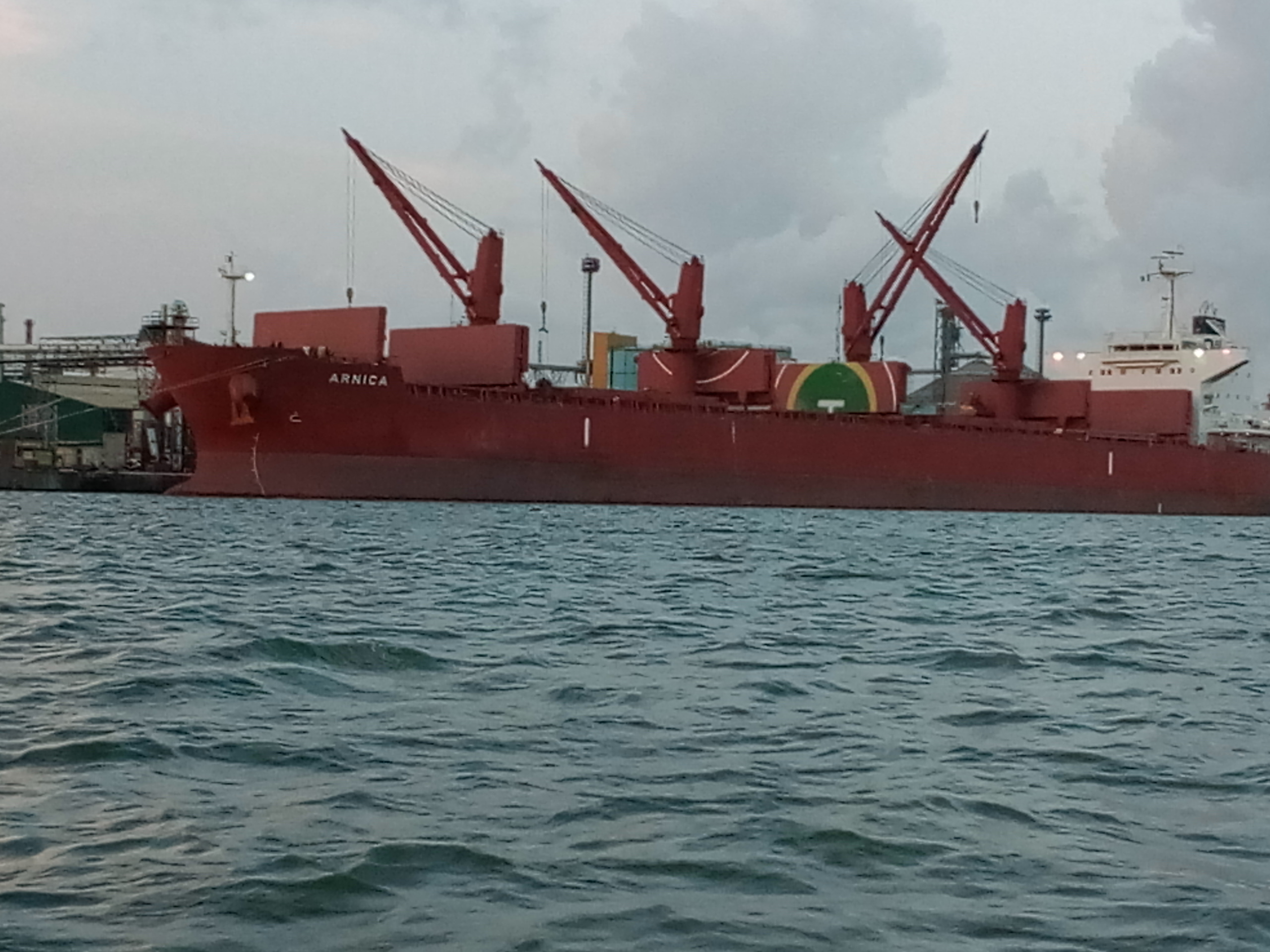
The change is not only about whether projects exist. Nigeria combines steel and mineral upgrading with currency pressure, energy cost, port congestion, and destination inspection. For refractory buyers, that shifts the sequence from “compare brick price first” to “judge lining life, downtime loss, replenishment rhythm, English paperwork, and handover reliability first.” Suppliers that connect material choice to stable operation are closer to the real Nigerian buying logic.
Steel and minerals are moving demand from spot replenishment toward system procurement
When the steel ministry ties steel, aluminium, mineral beneficiation, and industrial infrastructure together, refractory demand stops looking like loose replacement buying. It starts to appear around steelmaking, ladles, transfer points, reheating, smelting, and high-erosion zones where continuous operation matters. Buyers planning ramp-up and shutdown windows ask earlier about service life, thermal efficiency, erosion positions, repair materials, and future replenishment discipline.
That means suppliers must organize products by equipment and hot zone. Ladles and refining positions naturally lead into magnesia-carbon brick, working-lining castables, and gunning systems; submerged furnaces, launders, and high-wear zones pull main linings, repair materials, and quick-repair packages into the same discussion. A supplier that still speaks only in brick lists or tonnage prices will miss the more serious system orders.
Infrastructure, cement, and process heating keep a second demand line active
Nigeria cannot be understood through steel alone. The U.S. construction-sector guide notes that infrastructure stock is only about 30 percent of GDP, far below the World Bank’s 70 percent benchmark, while the construction sector grew in real terms in 2024 and is expected to keep expanding through 2028. Roads, housing, power, gas, and industrial infrastructure all continue to support cement, clinker, lime, and broader process-heating demand.
The point for refractory suppliers is that many orders are not one-off project buys. They are driven by kiln continuity, burning-zone and transition-zone life, cooler and hood maintenance, and small shutdown repair windows. Buyers respond better to zone-specific kiln-lining logic, repair packages, moisture protection, and replenishment batches than to generic product claims.
Destination inspection, PAAR, and port friction move document discipline ahead of quotation
Nigeria’s import regime also reshapes buying behavior. The trade guide notes that Nigeria has shifted from pre-shipment inspection to destination inspection, while PAAR and the single-window system remain critical tools. But congestion, weak infrastructure, limited scanner utilization, and uneven digital execution still create real clearance risk. For refractory cargo, that means consignee naming, packing lists, certificate language, arrival mode, and split-shipment planning cannot be postponed until container loading.
When projects also face foreign-exchange and cash-pressure limits, buyers care less about pushing down a first-round price and more about whether the shipment will land inside the shutdown window. A credible supplier explains paperwork, packing protection, delivery nodes, and replenishment rhythm together.
What this means for product logic in Nigeria
- Steelmaking and ladle work: use magnesia-carbon brick, ladle working-lining castables, magnesia gunning mixes, and repair systems to discuss ladles, refining points, transfer zones, and hot-repair windows.
- Mineral beneficiation and high-erosion duty: use main linings, repair materials, and quick-repair packs to discuss submerged furnaces, launders, and high-wear zones.
- Cement, clinker, and process heating: use zone-based kiln-lining logic, cooler and hood maintenance packages, and moisture-safe packing to discuss uptime and shutdown risk.
- Delivery execution: connect English paperwork, PAAR-related files, consignee naming, split shipments, and inland handover to executable industrial supply.