
9
Dead-burned magnesia shaft kilns
Backed by the Yingkou, Liaoning refractory industrial base for steel, ferroalloy, cement, glass, and more high-temperature projects
Hanheng combines stable products, serious communication, and repeatable cooperation so buyers can feel clearer from the first inquiry.
Overseas refractory buying is not only a product name. Batch stability, packing, documents, loading, and future replenishment decide whether cooperation can continue.
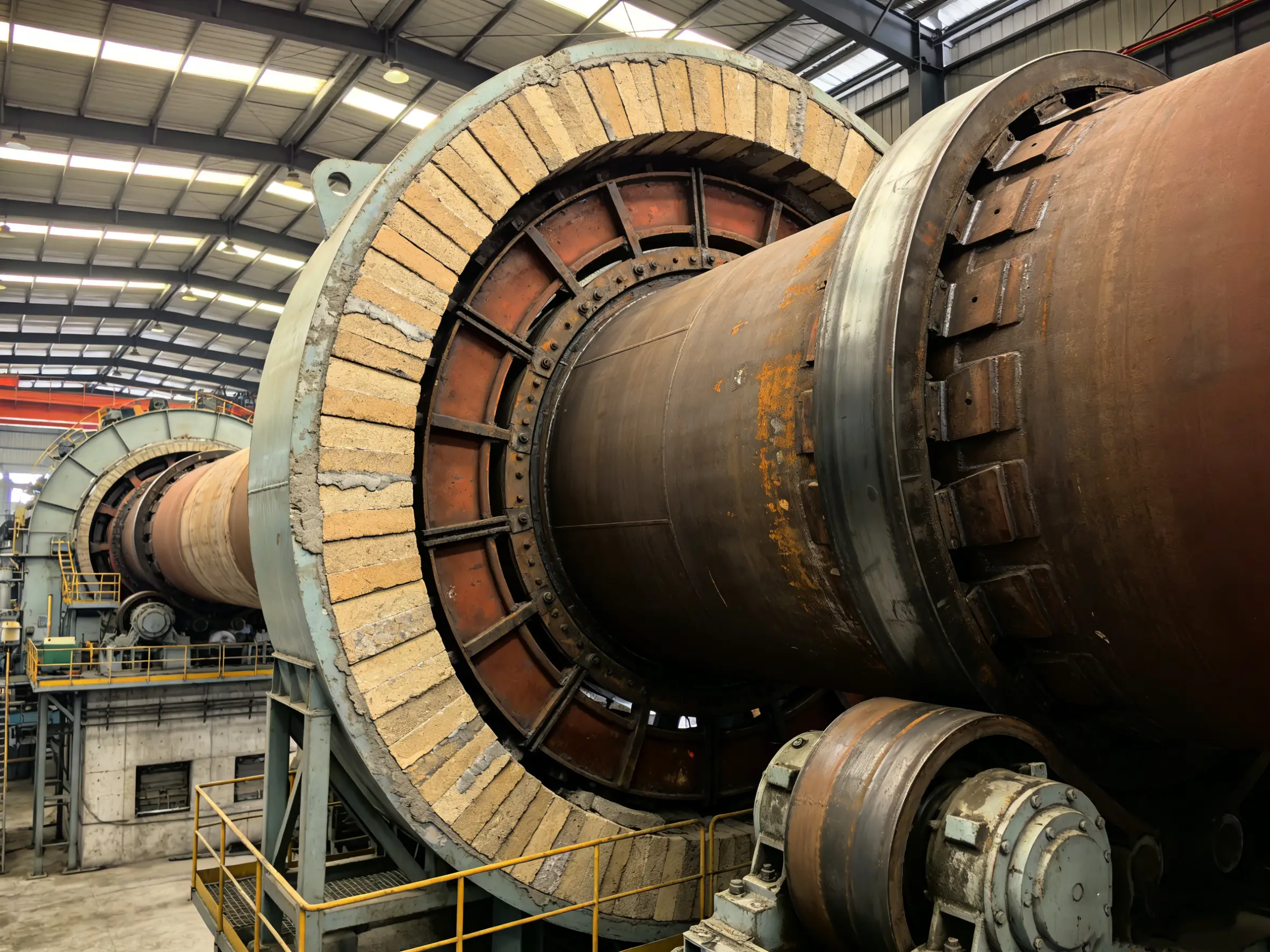
Magnesia raw materials, shaped refractories, monolithics, and tundish materials move through one stable production rhythm.
Past projects, shipment scenes, and outcome summaries are organized into a revisitable archive so buyers can judge comparable experience quickly.
The vessel stopped being reviewed as one line item and started being managed by severity and duty zone.
Each product system groups the materials that usually work together on the same equipment, hot zone, and installation task.
Best when you want to start from the service position and then move into the exact brick route.
Best when you want to start from the service position and then move into the exact brick route.
Useful for repair windows, flow paths, and working-lining construction on site.
Useful when casting stability depends on keeping these consumables aligned.
Useful for shutdown work, insulation layers, and other supporting positions that still affect project performance.
If you already know the equipment and critical service area, go straight to the route page for materials, case references, and next-step discussion.
Start from the field scene and critical hot zone, then move into the matching material route, cases, and project entry.
See how converters, ladles, and RH/LF duties are broken into different hot-zone pressures and material routes.
Production, packing, container loading, and shipment documents need to stay in one working rhythm so site receipt and repeat orders stay easier to manage.
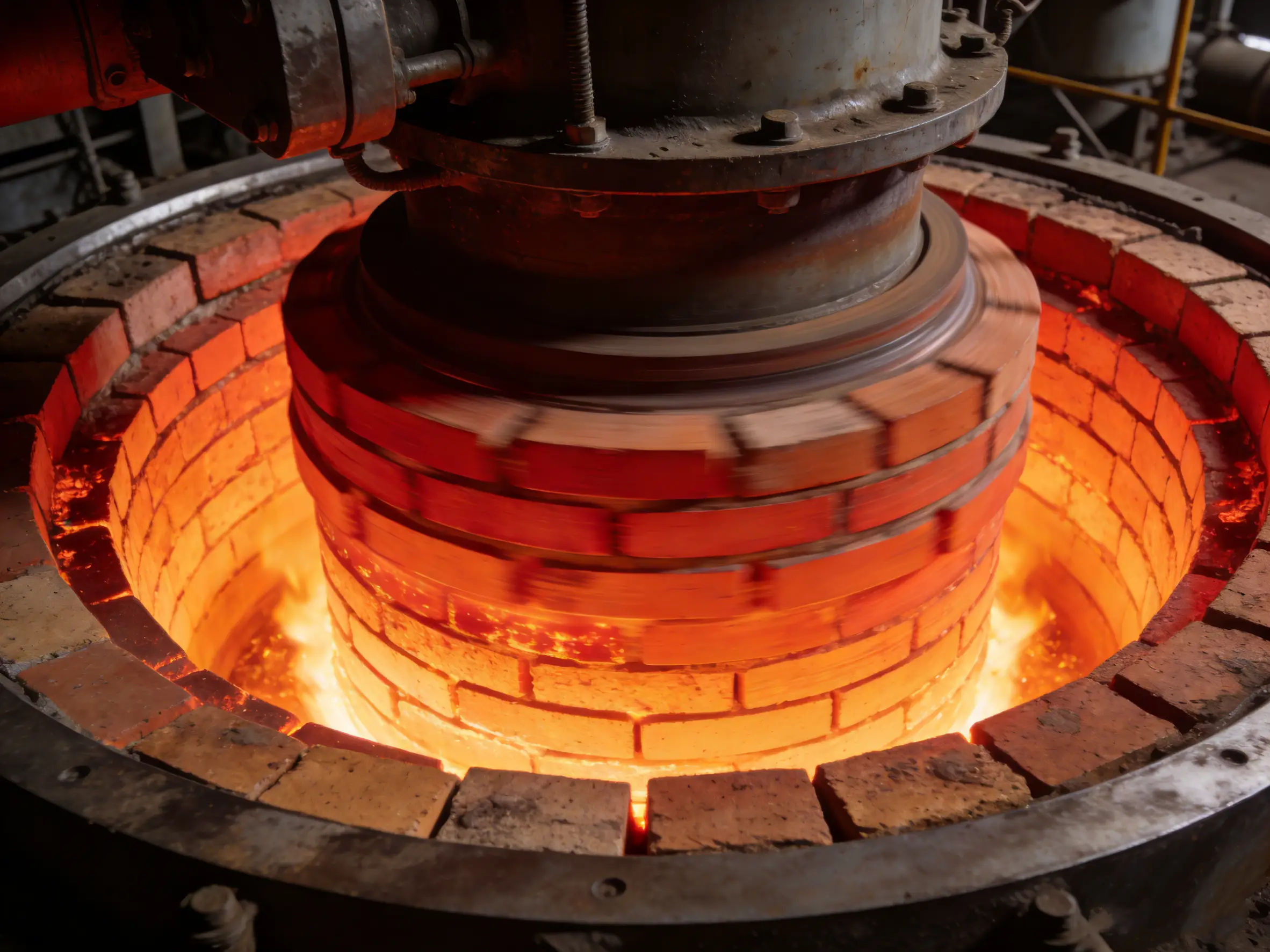
Steel, ferroalloy, glass, and boiler systems call for different selection logic. Start from the industry context closest to your line, then move into the matching hot zone and material route.
Ladles, converters, RH, and tundish routes organized around severity and service duty.
Flow paths, furnace bodies, and recovery zones tied to ongoing wear rather than first installation only.
Regenerator and heat-storage structures reviewed as one vertical heat system with different pressure zones.
Wear zones, insulation, and shutdown upgrade routes organized around outage economics and repair access.
View scenarioSee how converters, ladles, and RH/LF duties are broken into different hot-zone pressures and material routes.
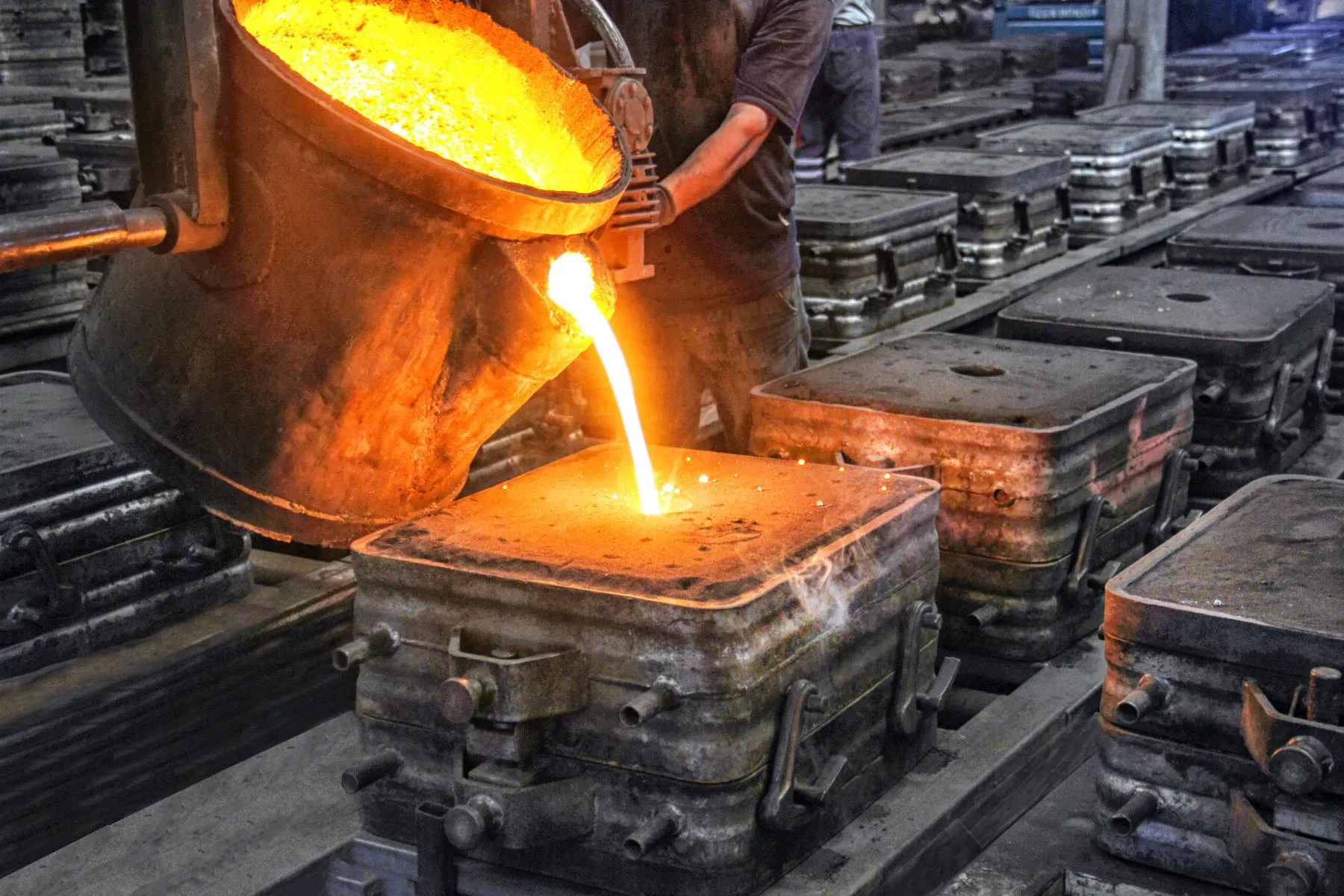 View scenario
Review working lining, coating, opening, and filling tasks together, the way they affect casting stability on site.
View scenarioStart from furnace body wear, tapping paths, and flow-groove recovery in heavy-duty service.
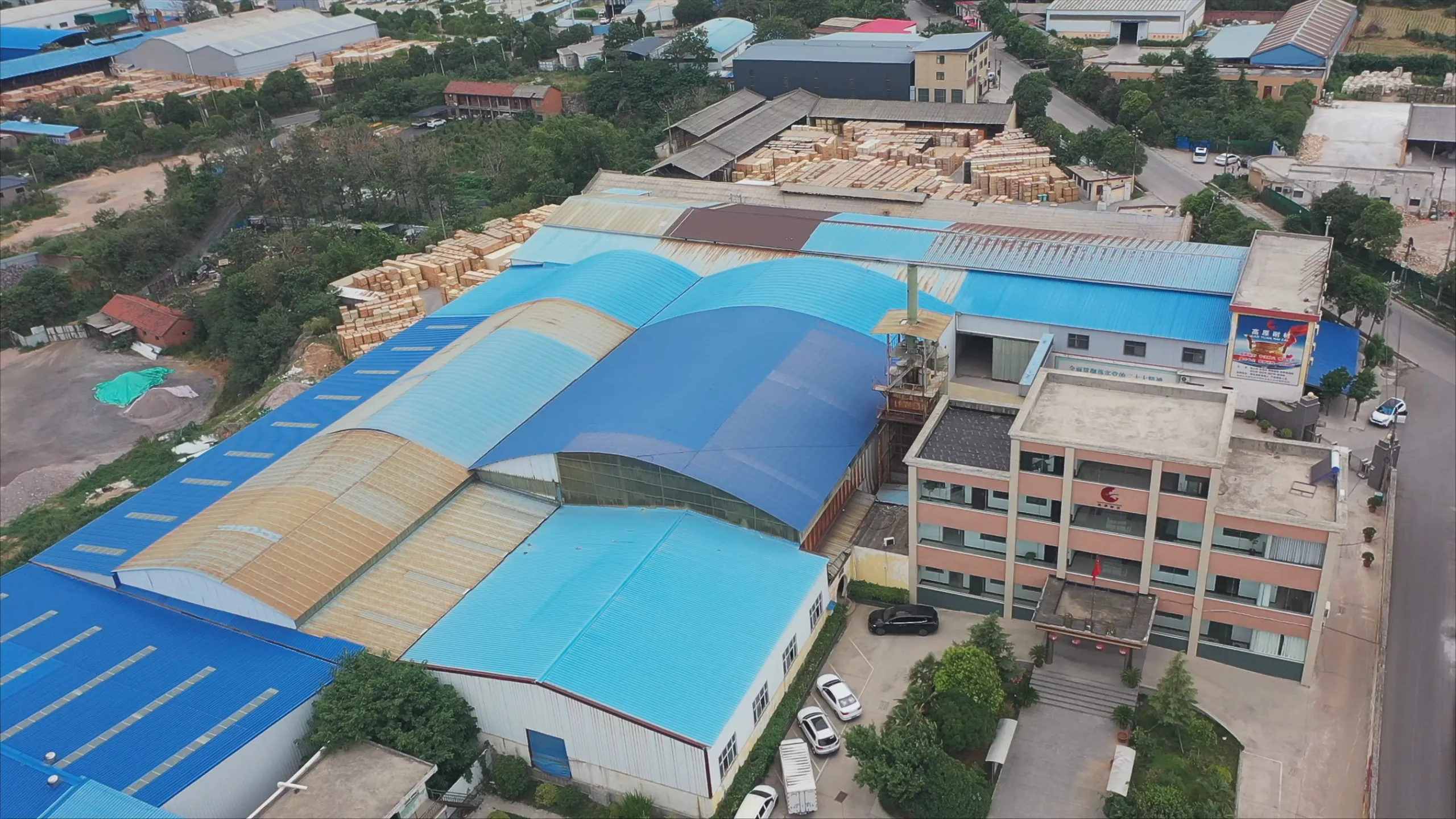 View scenario
Follow wear zones, outage windows, and insulation structure into the right process-heating route.